 Fioretto
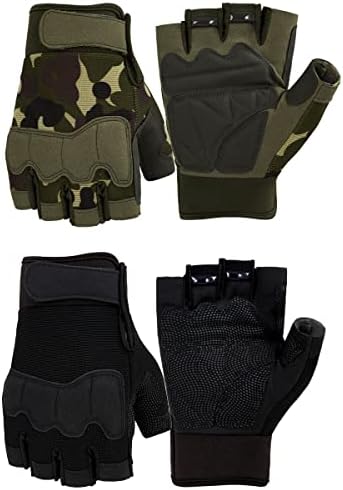
Work the glove onto the fingers first, then push down between each finger before pulling the cuff over the wrist. Pulling by the cuff with the fingers half in is what breaks the stitching at the finger forks, and that is the seam that fails first on almost every pair.
Taking them off, ease each fingertip loose before pulling. Yanking a glove off by the fingertips stretches the finger tubes permanently and they never go back.
Twice a season is enough for gloves in normal use. Use a neutral leather cream, a small amount on a cloth, worked in and buffed off. Skip anything silicone-heavy and skip mink oil on chrome-free leather, which absorbs it unevenly and blotches. If the leather still feels supple, leave it alone: over-conditioning softens the hide until it loses shape.
Wool and cashmere linings pick up moisture from your hands and eventually smell. Turn the gloves inside out as far as the lining allows, air them for a day, and repeat monthly. They cannot be washed. If a lining tears at the fingertip, a stitch from the inside with matching thread will hold for the rest of the season.
Flat, in a drawer, not folded and not in a plastic bag. Plastic traps moisture against the leather and mould follows. A paper envelope or an old cotton pillowcase is right. Put the pair together rather than separately so you find both in October.
Direct heat while wet, and pulling them off by the fingertips. Almost every pair that dies early died of one of those. Nothing you do with conditioner will matter as much as avoiding both.
From the catalog
Keep reading
One tape measure, one number, and the reason S starts at 7 inches on one Fioretto chart and 8.3 on another.
GuideMost of the Fioretto winter range is tanned without chromium. Here is what that changes and what it does not.
GuideSleeve size decides this, not the outside dimensions and not the styling.