 Fioretto
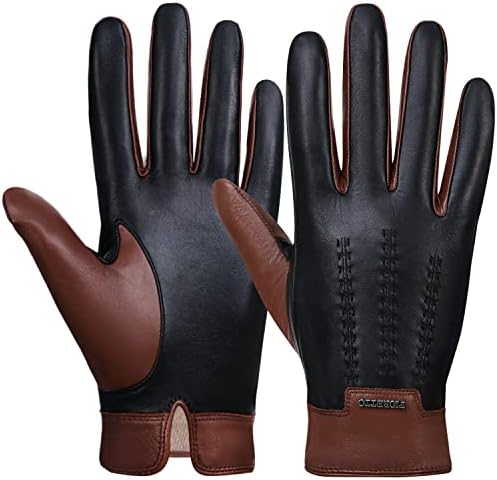
Raw hide rots. Tanning converts it into leather by binding the collagen so it stays flexible and does not decompose. The industry standard method uses chromium salts, usually chromium sulphate. It is fast, cheap and produces soft leather, which is why most gloves on any shelf are chrome tanned.
Chrome-free tanning uses other agents, typically vegetable tannins or synthetic organic compounds, to do the same job without chromium. Fioretto applies it across most of the winter glove range and states it on the listing. The leather comes out slightly firmer at first and breaks in over a few wears.
Chrome-free does not mean warmer, more waterproof or longer-lasting in any general sense. Warmth comes from the lining, water resistance comes from the finish, and durability comes from the hide and the stitching. Treat chrome-free as a comfort and skin-contact decision, not as a quality grade.
Vegetable-tanned and chrome-free leathers darken more readily when they get wet and are less tolerant of aggressive conditioners. Let a wet pair dry away from a radiator, at room temperature, with the fingers gently pulled back into shape. Skip the silicone-heavy leather sprays. A light neutral leather cream twice a season is plenty.
From the catalog
Keep reading
One tape measure, one number, and the reason S starts at 7 inches on one Fioretto chart and 8.3 on another.
GuideSleeve size decides this, not the outside dimensions and not the styling.
GuideFour strap lengths, printed waist ranges, and the measurement people take in the wrong place.